


When it comes to the operation of industrial equipment, understanding the power consumption is crucial for both cost - efficiency and environmental considerations. As a supplier of vulcanizing machines, I often receive inquiries about how much power these machines consume. In this blog, I'll delve into the factors that influence the power consumption of vulcanizing machines and provide a detailed analysis.
Understanding Vulcanizing Machines
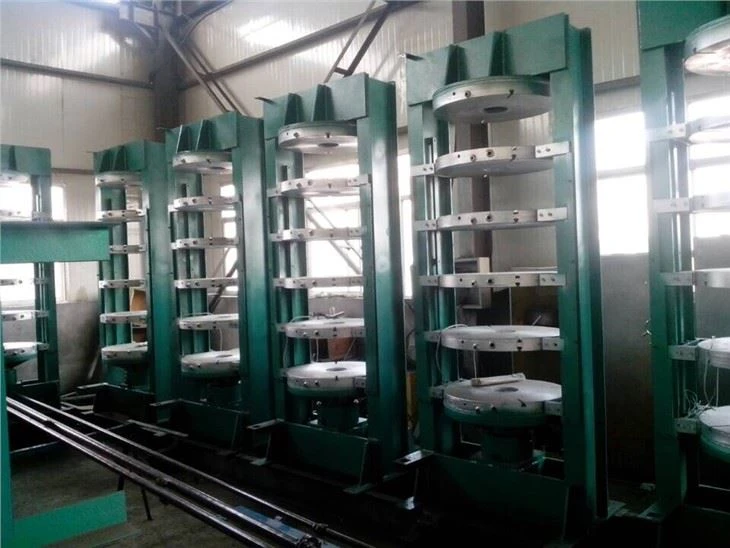
Vulcanizing machines are essential in the rubber industry. They are used to transform raw rubber into a more durable and useful material by applying heat and pressure. There are different types of vulcanizing machines, each with its own specific functions and power requirements. For instance, the Inner Tube Rubber Vulcanizing Press Machine is designed for vulcanizing inner tubes of tires. It needs to maintain a specific temperature and pressure to ensure the proper vulcanization of the rubber. The Flat Vulcanizing Machine is commonly used for flat rubber products, such as rubber sheets. And the Tread Vulcanizing Press Machine is specialized in vulcanizing tire treads.
Factors Affecting Power Consumption
- Machine Size and Capacity
Larger vulcanizing machines generally consume more power. This is because they have larger heating elements, more powerful hydraulic systems, and bigger chambers to heat and pressurize. For example, a large - scale tread vulcanizing press machine that can handle multiple tire treads at once will require more energy to operate compared to a small - sized inner tube rubber vulcanizing press machine. The power needed to heat a larger volume of rubber and maintain the required pressure for a longer period is significantly higher. - Heating System
The heating system is one of the major power - consuming components of a vulcanizing machine. There are different types of heating systems, such as electric heating, steam heating, and oil - heating. Electric heating systems are the most common in modern vulcanizing machines. The power consumption of an electric heating system depends on its wattage. Higher - wattage heating elements can heat up the machine faster, but they also consume more power. Steam - heated and oil - heated systems may have different energy requirements depending on the source of steam or the heating of the oil. However, electric heating is usually more straightforward to measure in terms of power consumption. - Operating Time
The longer a vulcanizing machine operates, the more power it consumes. The vulcanization process has a specific time requirement, which depends on the type of rubber, the thickness of the product, and the vulcanization temperature. For example, some high - performance rubbers may require a longer vulcanization time at a higher temperature, resulting in increased power consumption. Additionally, if the machine is left in standby mode or idle for a long time, it still consumes a certain amount of power to maintain its basic functions, such as keeping the control system active. - Pressure Requirements
The hydraulic system in a vulcanizing machine is responsible for applying the necessary pressure during the vulcanization process. Higher pressure requirements mean that the hydraulic pump needs to work harder, which in turn consumes more power. For instance, a tread vulcanizing press machine that needs to apply a very high pressure to bond the tread to the tire carcass will have a more powerful hydraulic system and thus consume more power compared to a machine with lower pressure requirements.
Measuring Power Consumption
To accurately measure the power consumption of a vulcanizing machine, you can use a power meter. A power meter can be installed between the machine and the power source. It measures the electrical power in kilowatts (kW) and can record the total energy consumption over a period of time in kilowatt - hours (kWh). By monitoring the power consumption over several production cycles, you can get an average power consumption value for the machine.
Let's take an example of a medium - sized flat vulcanizing machine. Suppose it has an electric heating system with a total wattage of 15 kW. If it operates for 8 hours a day, the daily power consumption can be calculated as follows:
Power consumption (kWh) = Power (kW)×Time (h)
So, the daily power consumption = 15 kW×8 h = 120 kWh
Strategies to Reduce Power Consumption
- Optimize Operating Parameters
By adjusting the vulcanization temperature and time according to the specific requirements of the rubber product, you can reduce unnecessary power consumption. For example, if a lower temperature can achieve the same vulcanization effect in a slightly longer time, it may be more energy - efficient to choose the lower - temperature option. - Regular Maintenance
Proper maintenance of the vulcanizing machine can improve its energy efficiency. This includes cleaning the heating elements, checking the hydraulic system for leaks, and ensuring that the insulation of the machine is in good condition. A well - maintained machine will operate more smoothly and consume less power. - Energy - Saving Technologies
Some modern vulcanizing machines are equipped with energy - saving technologies, such as intelligent temperature control systems and variable - frequency drives for the hydraulic pump. These technologies can adjust the power consumption according to the actual operating conditions, reducing energy waste.
Conclusion
In conclusion, the power consumption of a vulcanizing machine is influenced by multiple factors, including machine size, heating system, operating time, and pressure requirements. As a supplier, we understand the importance of energy efficiency for our customers. We strive to provide vulcanizing machines that are not only high - performance but also energy - efficient.
If you are in the market for a vulcanizing machine and want to know more about its power consumption or other features, please feel free to contact us for a detailed discussion. We can provide you with the most suitable solutions based on your specific production needs.

References
- "Rubber Technology Handbook" by Werner Hofmann
- Industry reports on rubber vulcanization equipment energy consumption.


