


What are the environmental impacts of using a fiber separator machine?
In today's world, environmental protection has become a global concern. As a supplier of Fiber Separator Machines, I am deeply aware of the significance of understanding the environmental impacts of our products. This blog post aims to explore the environmental implications of using a Fiber Separator Machine, highlighting both the positive and potential negative aspects.
Positive Environmental Impacts
Waste Tire Recycling
One of the primary applications of a Fiber Separator Machine is in the waste tire recycling industry. Every year, millions of tires are discarded worldwide, posing a significant environmental threat. These tires take up large amounts of landfill space, and when exposed to the elements, they can release harmful chemicals into the soil and water.
A Fiber Separator Machine plays a crucial role in the recycling process by separating the fiber from the rubber in waste tires. This separation allows for the recovery of valuable materials. The rubber can be reused in various applications, such as the production of new tires, rubber mats, and asphalt additives. By recycling rubber, we reduce the demand for virgin rubber, which in turn conserves natural resources and reduces the environmental impact associated with rubber extraction and processing.
The recovered fiber can also be recycled and used in different industries. For example, it can be used as a reinforcing material in composite products or as a raw material for the production of insulation materials. This not only reduces waste but also provides a sustainable alternative to traditional materials.
Energy Efficiency
Modern Fiber Separator Machines are designed with energy efficiency in mind. These machines are equipped with advanced motors and control systems that optimize energy consumption. Compared to older models, they can achieve the same level of separation with less energy input.

By reducing energy consumption, we not only lower the operating costs for our customers but also contribute to the reduction of greenhouse gas emissions. The less energy a machine consumes, the less fossil fuel needs to be burned to generate that energy, resulting in a smaller carbon footprint.
Reduced Pollution
The use of a Fiber Separator Machine in the waste tire recycling process helps to reduce pollution. When tires are left to decompose in landfills or are illegally dumped, they can release pollutants such as heavy metals, polycyclic aromatic hydrocarbons (PAHs), and volatile organic compounds (VOCs). These pollutants can contaminate the soil, water, and air, posing a threat to human health and the environment.
By recycling tires using a Fiber Separator Machine, we prevent these pollutants from being released into the environment. The separation process ensures that the rubber and fiber are properly processed and reused, minimizing the potential for pollution.

Potential Negative Environmental Impacts
Noise Pollution
Although modern Fiber Separator Machines are designed to operate quietly, they still generate some level of noise during the separation process. This noise can be a nuisance to nearby residents and workers if not properly managed.
To mitigate this issue, we recommend installing the machine in a soundproof enclosure or using noise-reducing materials. Additionally, regular maintenance of the machine can help to ensure that it operates smoothly and quietly.
Waste Generation
During the operation of a Fiber Separator Machine, there may be some waste generated, such as dust and small particles. If not properly managed, these waste materials can pose a risk to the environment and human health.
To address this issue, we recommend using dust collection systems to capture and remove the dust generated during the separation process. These systems can help to reduce air pollution and protect the health of workers.
Conclusion
Overall, the use of a Fiber Separator Machine has significant positive environmental impacts, particularly in the waste tire recycling industry. By recovering valuable materials, reducing energy consumption, and preventing pollution, these machines contribute to a more sustainable future.
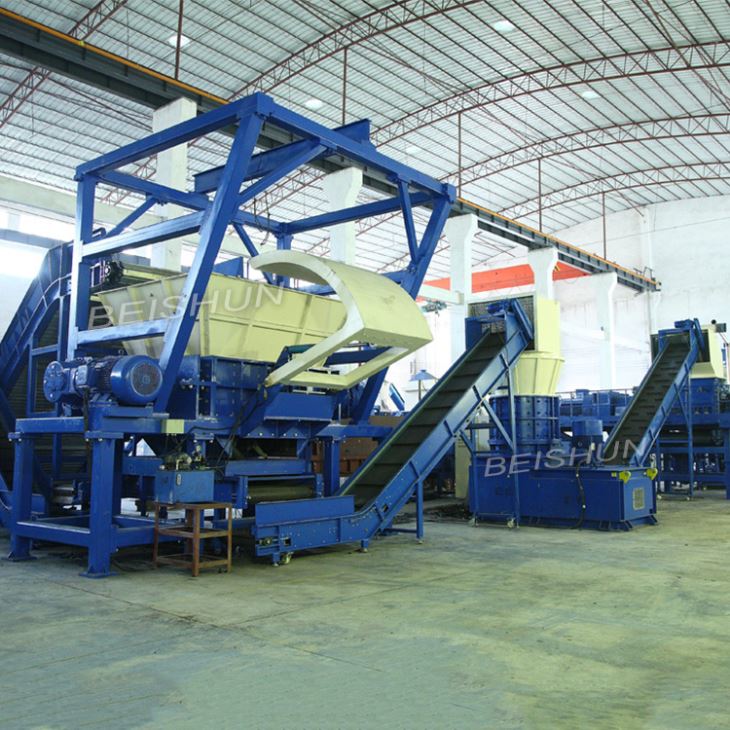
However, it is important to be aware of the potential negative environmental impacts, such as noise pollution and waste generation, and take appropriate measures to mitigate them. As a supplier of Fiber Separator Machines, we are committed to providing our customers with high-quality, energy-efficient, and environmentally friendly products.

If you are interested in learning more about our Fiber Separator Machines or other waste tire recycling equipment, such as Tire Shredder Machine and Rubber Crusher Machine, please feel free to contact us. We would be happy to discuss your specific needs and provide you with a customized solution.
References
- "Waste Tire Recycling: A Review of Technologies and Environmental Impacts" - Journal of Environmental Management
- "Energy Efficiency in Industrial Machinery" - International Energy Agency
- "Noise Pollution and Its Control" - World Health Organization


