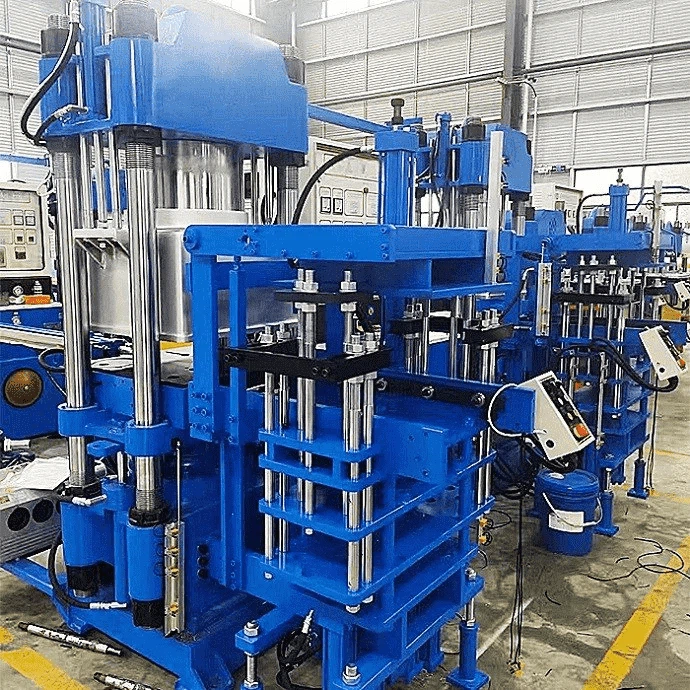
In modern rubber processing-especially for tire tread/sidewall compounds, seals, hoses, and recycled rubber-cooling is not a simple "temperature drop" step. It is a critical process control stage that directly affects sheet handling, anti-sticking performance, dimensional stability, downstream calendaring/extrusion efficiency, and final product consistency.
A Rubber Batch Off Cooling Machine is designed to cool and dry rubber sheets quickly and uniformly after mixing, so they can move into the next process with predictable behavior. For export buyers, this equipment is often the fastest way to upgrade plant stability and reduce hidden losses like scrap, rework, and unplanned downtime.
1) Why Batch-Off Cooling Matters in Real Production
1.1 Prevents sticking, deformation, and surface defects
Hot rubber sheets are soft, tacky, and unstable. Without controlled cooling and drying, sheets can stick together, deform during stacking, or pick up contamination, leading to poor feeding in downstream processes and higher rejection rates.
1.2 Protects compound properties and processing consistency
Rubber properties are sensitive to temperature history. Controlled cooling helps maintain stable hardness, plasticity, and processing behavior, which improves consistency for forming and vulcanization.
1.3 Improves line rhythm and reduces labor dependency
A proper batch-off cooling system helps you achieve a smoother workflow with fewer manual interventions-supporting better production takt time, simpler handling, and safer operations.
2) How a Rubber Batch Off Cooling Machine Works
The workflow is straightforward but highly engineered for process stability:
Feeding & conveying: Rubber sheets enter the line and move steadily on rollers/conveyor belts.
Cooling: Sheets pass through air or water-based cooling to reduce temperature evenly.
Drying: Surface moisture is removed via hot-air drying or jet drying (compressed air).
Discharge: Sheets exit clean, stable, and ready for stacking or direct downstream processing.
This "cool → dry → discharge" logic ensures rubber sheets leave the system in a non-sticky, dimensionally stable state, reducing production risk later.
3) Device Type Selection: Horizontal vs. Vertical vs. Combination
Horizontal Rubber Sheet Cooling Machine: This type is composed of a simpler structure, but requires more floor area, making it suitable for processing wider rubber sheets. Cooled and dried sheets travel on an adjustable conveyor belt system; thus making operation relatively straightforward.
Vertical Rubber Sheet Cooling Machine: This type requires less floor space, making it ideal for production workshops with limited room. Rubber sheets are conveyed vertically through cooling devices for cooling efficiency and effectiveness. Multiple layers of cooling devices help improve both.
Combination Rubber Sheet Cooling Machine: By combining the advantages of both horizontal and vertical cooling machines, this type allows flexible adjustments of cooling methods and sequences according to production needs. For instance, first it could use horizontal cooling before switching over to vertical drying - thus meeting specific cooling requirements of different rubber sheets.
4) Where Batch-Off Cooling Creates the Most Value
Tire production
Batch-off cooling stabilizes sheets quickly after mixing, helping ensure reliable behavior for molding and vulcanization-improving consistency and reducing defects.
Rubber seals and precision parts
Cooling prevents deformation and sticking, supporting precision dimensions and better sealing performance.
Rubber hose production
Stable, non-sticky sheets feed better into forming and extrusion-related steps, reducing interruptions.
Recycled rubber industry
Controlled cooling helps restore usable processing characteristics after recycling, improving reprocessing efficiency and product quality.
5)The key considerations for making a purchase
Sheet width & thickness range
Target throughput and line speed
Cooling method preference: air, immersion, spray, refrigeration-assisted
Drying requirement: hot air vs. jet drying, climate and humidity conditions
Automation level: parameter control, alarms, data logging needs
Workshop layout: space limits → vertical or combination type often wins
Downstream process needs: stacking stability, feeding stability, storage requirements
6) Closing: Why This Machine Pays Back Fast
A Rubber Batch Off Cooling Machine is not just auxiliary equipment-it is a quality stabilizer and production efficiency lever. It reduces sheet sticking and deformation, improves handling consistency, stabilizes compound performance for downstream processes, and lowers dependency on operator experience. For export customers, investing in a properly configured batch-off cooling line often delivers a clear ROI through higher yield, fewer process interruptions, and more predictable production output.
If you can provide information such as the film size, type of film material, target production capacity and factory layout, our Benshun will customize and recommend the most suitable equipment solution for your market demand and production goals.