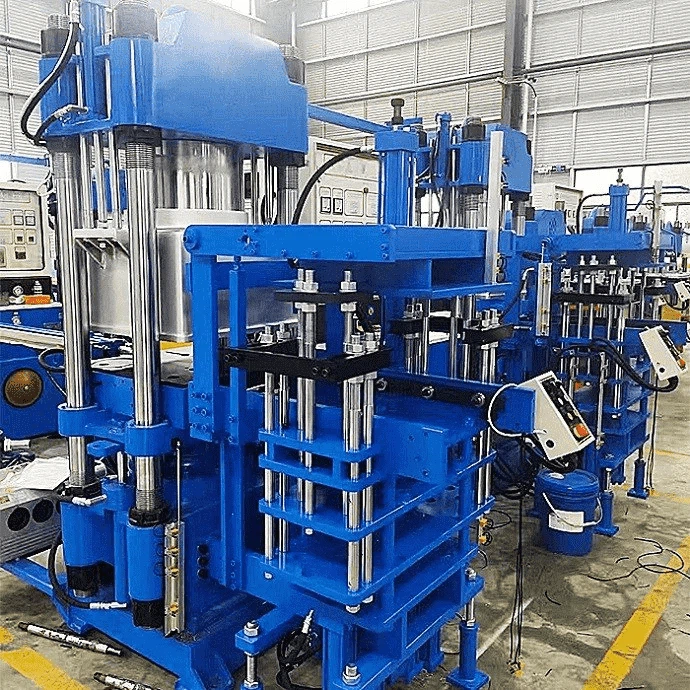
Rubber kneader machines, also referred to as internal mixers or Banbury mixers, play an indispensable role in rubber and polymer processing industries. Recognized for their efficiency, precision, and versatility these machines are used across industries to produce top quality compounds - this article details their extensive applications while emphasizing their significance and influence within modern manufacturing processes.
What Is a Rubber Kneader Machine?
A rubber kneader machine is a high-performance machine used to combine and blend rubber or polymer materials with additives such as fillers, oils and chemicals in an effort to produce homogeneous compounds with consistent quality that meet specific industrial specifications. Utilizing an enclosed mixing chamber and rotors ensure uniform dispersion and proper mixing of ingredients; ultimately creating a homogeneous compound with consistent quality to meet industry specifications.
Common Applications for Rubber Kneader Machines
1. Tire Manufacturing
Rubber Kneader Machines play an essential part in tire production, ensuring optimal mixing of tire compounds. Key contributions of this technology include:
* Uniform Dispersion: Establishing even distribution of fillers like carbon black and silica that increase durability, strength and performance in tires.
* Customization: Facilitating the formulation of customized compounds for various tire types such as high performance, all season or off road tires.
* Efficiency Improvements: Reducing production time and waste by consistently providing compound quality.
Quality mixing directly impacts the performance of final tire, including its grip, fuel efficiency and resistance to wear.
2. Seals and Gaskets
Seals and gaskets are essential parts in both automotive and industrial settings to prevent leakage, ensure smooth operation, and ensure proper functionality. Rubber kneaders are used to produce compounds with precisely tailored properties suited for these uses.
* Automotive Sealing: Producing oil- and heat-resistant gaskets used in engines and transmissions.
* Industrial Applications: Producing chemical resistant seals that meet durability needs such as pumps, valves, or other machinery that need chemical resistance or chemical protection.
Consistent material properties help ensure the reliability and longevity of seals and gaskets produced with the machine, contributing to seal reliability and longevity.
3. Footwear Industry
In order to produce rubber soles and components for footwear production, rubber kneaders play an integral role. They ensure consistent material properties to increase reliability while prolonging longevity as seals and gaskets.
* Material Uniformity: Producing rubber compounds with consistent elasticity and durability for greater comfort and wear resistance, improving comfort levels.
* Innovation: Enabling lightweight, flexible energy-absorbing materials suitable for high performance sports shoes.
* Mass Production: Facilitating large-scale production with minimal variation in quality is vital for footwear manufacturers to meet consumer expectations of high-quality, stylish products that stand the test of time.
4. Electrical and Cable Insulation
Rubber kneaders are essential tools for mixing compounds used for electrical wire and cable insulation.
Their advantages include:
* Electrical Performance: For optimal electrical insulation properties to prevent short circuits and power losses.
* Thermal Resistance: Producing heat-resistant materials suitable for use in extreme environments. Durability: Strengthening resistance against weather, moisture, and mechanical stress to meet construction, power transmission, and industrial automation requirements.
5. Medical and Pharmaceutical Products
Rubber Kneader Machines play an invaluable role in medical manufacturing, where precision and hygiene are of utmost importance:
* Medical Grade Rubber Production: Producing compounds suitable for producing syringes, stoppers, seals that meet stringent health and safety regulations is one specialty area where these machines thrive.
* Sterility and Purity: Ensuring impurities do not appear and mixing uniformly of medical-grade additives.
* Customization: Generating materials tailored specifically for implants or equipment components for medical applications.
6. Rubber kneaders are widely used in the manufacturing of everyday items, including medical devices and everyday products made of rubber, such as mattresses. Their applications range from compliance with regulatory requirements and safety improvement, to performance enhancement. Ultimately, this allows medical device companies to remain compliant and improve patient safety and performance.
* Hoses and Belts: Producing materials suitable for automotive and industrial applications that require flexibility, strength, pressure resistance and abrasion resistance.
* Molded Rubber Goods: Molding compounds into products like mats, grommets and bushings for use within automotive vehicles and industries.
* Adhesives and Coatings: Kneader machines provide manufacturers with a versatile method for mixing materials for rubber-based adhesives and coatings used in construction and packaging, while their wide-ranging functionality also enables them to meet various industry needs with precision and efficiency.
Advantages of Kneader Machines
1. High Mixing Efficiency
Rubber kneaders are specifically designed to work with various materials and additives. Their advanced mixing mechanism ensures:
* Even dispersion of fillers and additives, * reduced material waste, and * improved compound homogeneity.
2. Precision and Customization
These machines allow for precise control over mixing parameters such as temperature, rotor speed and pressure for producing compounds tailored to meet specific performance criteria.
3. Scalability
Rubber kneader machines come in different sizes and configurations, making them suitable for both small-scale operations as well as industrial production lines.
4. Durability and Reliability
Constructed using robust materials, these machines are built to withstand demanding manufacturing environments for longer-term reliability and reduced downtime.
5. Energy Efficiency
Modern rubber kneaders employ energy-saving technologies that reduce operational costs while simultaneously increasing productivity. Future Trends in
Rubber Kneader Technology
1. Automation and Smart Control
The integration of advanced automation and AI-driven control systems has greatly increased the precision and efficiency of rubber kneader machines, providing real-time monitoring and adjustments that minimize human intervention and errors.
2. Eco-Friendly Manufacturing
Eco-friendly rubber kneader designs are being created in order to minimize energy use and environmental impact, with recyclable materials and energy recovery systems as examples of innovations.
3. Improved Rotor Designs
Rotor designs are being introduced that optimize mixing performance, shorten cycle times and accommodate for a wider variety of materials.
4. Global Expansion
With emerging industries expected to experience further expansion, demand for versatile and efficient rubber kneaders should continue to increase, prompting innovation and accessibility initiatives in these markets.