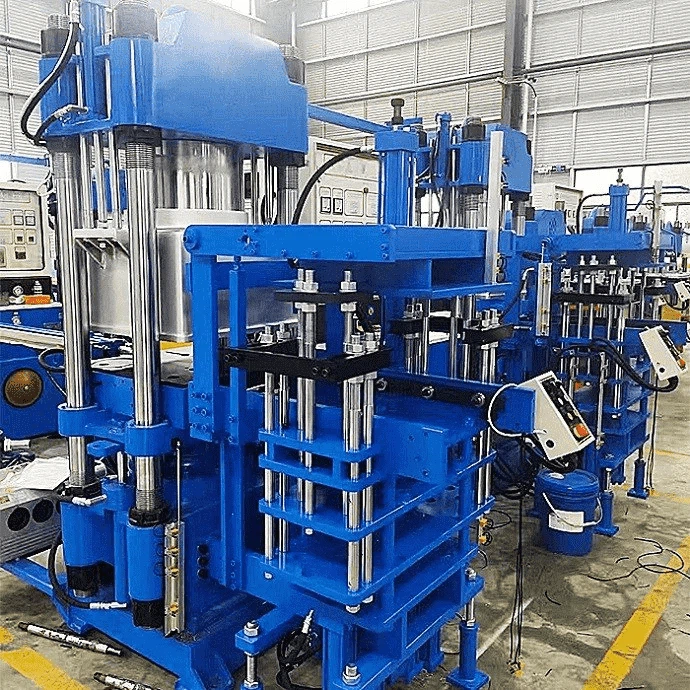
Rubber kneaders are essential machines in the rubber and plastic industries, responsible for mixing, kneading, and plasticizing materials. Though their sturdy design enables them to withstand rigorous operations, as with any industrial equipment they may experience technical problems over time. Understanding these common faults and solutions can ensure optimal performance while decreasing downtime and prolonging its lifecycle.
1. Material Leakage
Material leakage is one of the most common issues in rubber kneaders, primarily caused by worn-out seals or improper assembly.
Causes of Material Leakage:
Seal Degradation: The seals around the mixing chamber, shaft, or discharge door can wear out over time due to constant exposure to high pressure, heat, and abrasive materials.
Improper Installation: Faulty alignment or loose fasteners can create gaps, leading to leaks.
Material Overflow: Overloading the kneader beyond its capacity may force material through gaps in the chamber.
Solutions:
Regularly inspect and replace seals to prevent wear and tear.
Train operators to adhere to the equipment's load capacity.
Ensure proper installation of parts during maintenance to avoid misalignment.
2. Temperature Control Failure
Temperature control is critical in rubber kneading, as improper heating or cooling can negatively impact material properties and mixing quality.
Causes of Temperature Control Issues:
Faulty Sensors: Temperature sensors may malfunction or provide inaccurate readings.
Blocked Cooling Channels: Accumulated material or debris in cooling channels can restrict the flow of water or other cooling mediums.
Heating Element Failure: Damage to heating coils or wiring can disrupt temperature regulation.
Solutions:
Conduct routine calibration and testing of temperature sensors.
Clean cooling channels regularly to ensure unobstructed flow.
Replace damaged heating elements and inspect wiring for electrical faults.
3. Rotor Wear
Rotors are critical components in a rubber kneader, responsible for generating the shear forces needed to mix and plasticize materials. Over time, they can experience wear and damage.
Causes of Rotor Wear:
Abrasive Materials: Constant exposure to abrasive rubber compounds can erode rotor surfaces.
Hard Particles: Foreign particles in the mixing chamber can cause scratches or dents.
Insufficient Lubrication: Lack of proper lubrication increases friction and accelerates wear.
Solutions:
Use rotors made of high-strength, wear-resistant materials like alloy steel.
Implement strict quality control to ensure no foreign particles enter the mixing chamber.
Maintain a consistent lubrication schedule to reduce friction.
4. Motor Overload
The motor is the powerhouse of the kneader, driving the rotors and other components. Overloading the motor can lead to overheating, reduced efficiency, and even complete failure.
Causes of Motor Overload:
Excessive Material Load: Exceeding the kneader's designed capacity increases resistance on the motor.
Electrical Issues: Voltage fluctuations or poor wiring can cause the motor to overwork.
Mechanical Obstructions: Blockages in the mixing chamber can strain the motor.
Solutions:
Monitor and adhere to the machine's load capacity.
Install voltage stabilizers to protect the motor from electrical fluctuations.
Perform regular inspections to identify and remove any blockages in the chamber.
5. Discharge Door Jamming
The discharge door allows for the removal of mixed material. If it jams, production halts, causing delays and potential quality issues.
Causes of Discharge Door Jamming:
Material Residue Build-Up: Excessive accumulation of material around the door's edges can hinder its movement.
Hydraulic System Failure: Many kneaders use hydraulic systems to operate the discharge door. A malfunction in this system can lead to jamming.
Misalignment: Improper alignment during installation or maintenance can restrict the door's movement.
Solutions:
Clean the discharge area after each use to prevent material build-up.
Regularly service the hydraulic system to ensure smooth operation.
Verify alignment during maintenance and make necessary adjustments.
Preventive Maintenance Tips
To avoid these common faults, operators should implement a comprehensive maintenance program. Below are some preventive measures:
Daily Checks: Inspect seals, sensors, and lubrication levels daily for signs of wear or malfunction.
Scheduled Maintenance: Perform thorough maintenance at regular intervals, including cleaning, part replacement, and system diagnostics.
Operator Training: Ensure operators are adequately trained in machine usage, loading limits, and troubleshooting procedures.
Use of Quality Materials: Opt for high-quality raw materials and spare parts to minimize equipment strain and extend lifespan.
Data Monitoring: Utilize data logging systems to monitor temperature, pressure, and motor performance, identifying potential issues before they escalate.
Rubber kneaders are essential in producing top-notch rubber compounds, but their performance can be compromised by defects like material leakage, temperature control failures, rotor wear, motor overload or jammed door jamming. Achieving optimal reliability and longevity requires understanding these issues and employing proper maintenance practices - including investing in preventive care with high-quality components to minimize downtime and repair costs while simultaneously increasing productivity and decreasing production times and repair costs.