1. Tire Inspection and Classification
The collected used tires undergo a thorough visual inspection to check for severe damage, deformation, cracks or other defects. Non-destructive testing techniques, such as x-ray or ultrasonic inspection, are used to evaluate the integrity of internal structures. Based on the results, tires were classified into rereadable and non-rereadable categories. Only those who meet the required standards will advance to the next step.
2. Tire Pre-Treatment
Retreadable tires are mounted on a buffing machine, where suitable buffing tools remove old rubber, tread patterns, and other surface contaminants. The surface is then roughened to ensure better adhesion of new rubber. After buffing, compressed air or brushes are used to thoroughly remove rubber dust and debris, ensuring a clean surface.
3. Damage Repair
For minor cuts, cracks, or localized damage, a special filling material is applied for repair. This material must be highly compatible with the tire rubber. After filling, the repaired area is compacted and cured to restore strength.
4. Tread Rubber Application
A suitable retread tread rubber is selected based on the tire's specifications and type. The adhesive side of the tread rubber is cleaned and pre-treated before applying a special adhesive. The tread is then carefully aligned and pressed onto the buffed tire surface using specialized equipment to remove air pockets and ensure a tight bond.
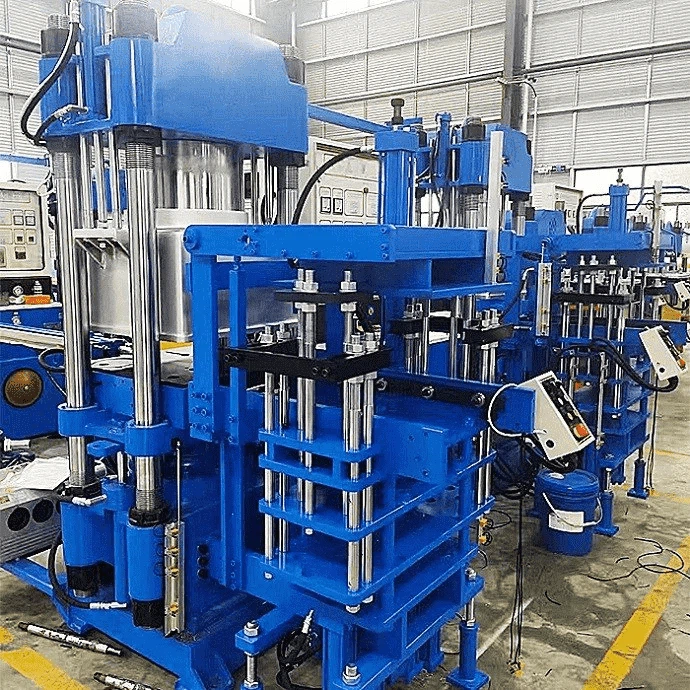
5. Vulcanization Process
The tread tire is placed in a vulcanizer, and the temperature, pressure and time of the vulcanizer are carefully controlled based on the properties of the material. During the vulcanization process, rubber molecules undergo a cross-linking reaction, ensuring a strong bond between the tread and the tire while forming the desired tread pattern and obtaining optimal physical properties.
6. Quality Inspection
After vulcanization, a visual inspection checks the adhesion of the tread rubber, the completeness of the pattern, and the absence of air bubbles or defects. The tire then undergoes dynamic balance and uniformity testing to ensure stability and smooth performance at high speeds. Approved tires are marked and packaged for the market, while defective tires are either reprocessed or scrapped.
Throughout the entire retread tire production process, strict adherence to quality standards and safety regulations is essential to ensure the durability and performance of the retreaded tires.