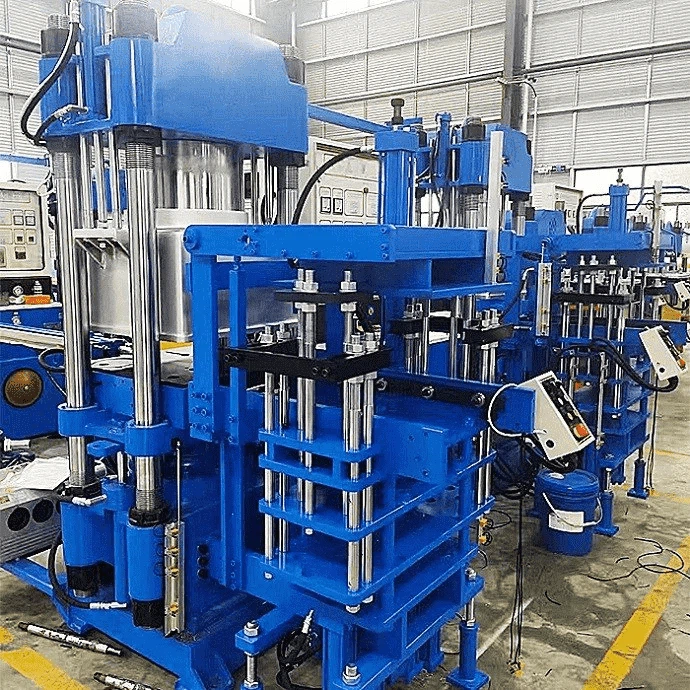
Rubber mixing mills are essential machinery in the rubber processing industry, where they play an integral part in mixing and blending rubber compounds with additives to achieve desired material properties. Due to the high-pressure and temperature conditions present during their operation, safety considerations become of the utmost importance; in this article we discuss two essential aspects of safety related to mixing mills: operational safety measures as well as design features which prevent overloading and equipment failure.
Operational Safety Measures for Rubber Mixing Mills: Protecting Workers and Equipment
Rubber mixing mill operations present several hazards, particularly due to rotating rolls and the high forces required in processing rubber compounds. Ensuring both workers and equipment are adequately protected is integral for creating a safe working environment.
One of the key safety measures involved with mixing mills is installing physical barriers and guards around their moving parts, to protect operators from accidental contact with rotating rolls that could result in severe injuries. Roll nip guards can be installed where rolls come closest together, to reduce risk of operators becoming trapped inside the machine; such a guard should be constructed of robust material capable of withstanding harsh rubber mixing conditions.
Emergency stop buttons are another essential safety feature of rubber mixing mills, providing operators with quick access and placement around the machine to quickly shut it down in an emergency. Modern mills may integrate automated systems that detect abnormal operating conditions and trigger shutdown if required - this shortens response times in critical situations, potentially preventing accidents before they happen.
Safety interlocks are integral in ensuring that machines can only operate if all necessary safety measures have been implemented, for instance many mills are designed so they cannot start until roll nip guards have been properly secured; this prevents accidental operation under unsafe conditions.
Training is another key aspect of operational safety. Operators should receive thorough instruction in the correct use and responses for emergency scenarios when operating machinery, and regular drills and refresher courses can ensure all personnel remain aware of all safety protocols and procedures. Furthermore, training on early signs of malfunction could prevent more significant issues later.
Avoid Overload and Equipment Breakdown: Considering Durability and Safety when Designing Equipment
Overloading and equipment failure are serious concerns in the operation of rubber mixing mills, not only posing safety risks but also leading to significant downtime and repair costs. Therefore, modern rubber mixing mills come equipped with multiple features designed to prevent these issues and guarantee safe operations.
One of the key features of modern machine design is overload protection systems. These systems can detect when there are excessive loads on a machine and take steps to automatically reduce or shut it down before damage occurs. Torque limiters may be installed to disconnect power if torque exceeds predetermined thresholds, protecting critical components like motors from being damaged. Furthermore, hydraulic systems may be employed to apply pressure directly onto rolls with sensors built-in that monitor load levels to avoid overloading.
Temperature control is also an integral component of equipment maintenance and failure. Mixing processes generate considerable heat, which if unregulated can lead to thermal degradation of rubber compounds and even damage to machines themselves. Modern mixing mills typically feature advanced cooling systems that circulate coolant around rolls and components of the mill to maintain optimal operating temperatures while real-time temperature readings allow automated controls to regulate flow rates accordingly for safe machine operation.
Regular maintenance is key to avoiding overload and equipment failure, even with advanced safety features in place. Even over time, wear and tear cannot be compensated for by these features; routine inspections must be conducted in order to identify signs of wear like thin rolls, degraded seals or loose components so any issues can be addressed quickly before becoming more serious problems. Furthermore, lubrication schedules must strictly be observed so all moving parts operate without excessive friction which could cause overheating and failure of equipment.
Vibration monitoring is another essential aspect of maintenance that can help safeguard equipment against premature failure. Excessive vibration is often an early telltale sign of misalignment, bearing failure, or other mechanical issues; by closely tracking vibration levels and analyzing their data, operators can spot potential issues before they lead to catastrophic failure. Many modern rubber mixing mills come equipped with sensors which detect any deviations from normal operating conditions that require attention from operators.
Safety in rubber mixing mills is an evolving concern that must be carefully considered from both operational practices and machine design perspectives. Implementing robust safety measures, such as physical guards, emergency stops and operator training can significantly mitigate risks associated with operating these powerful machines. Furthermore, designing mills with overload protection, temperature control capabilities and regular maintenance schedules helps prevent equipment failure while assuring long-term safety and reliability for machinery. As rubber processing technology evolves further over time, prioritizing safety remains essential to protecting workers while simultaneously running efficient operations.