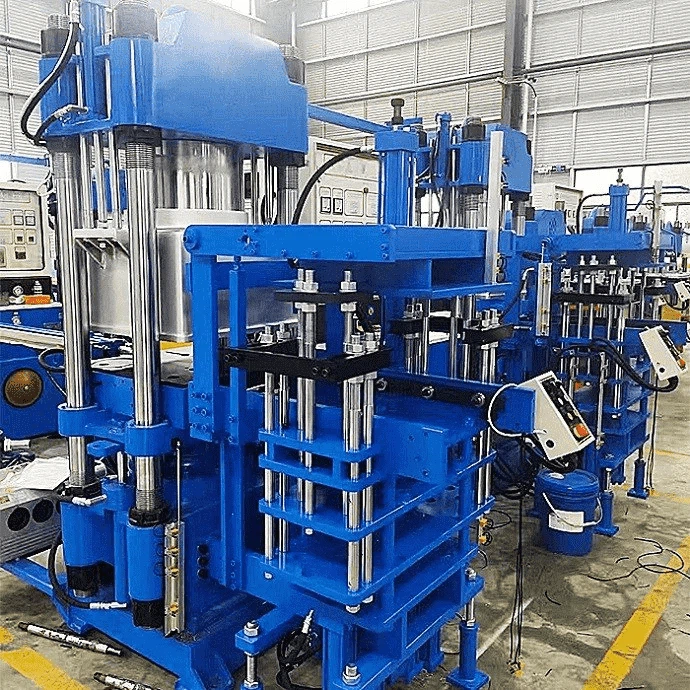
Flat vulcanizing machines play a crucial role in various industries, especially in rubber manufacturing processes. These machines utilize heat and pressure to bond rubber sheets together, offering a reliable method for creating durable rubber products. Understanding the operation and applications of flat vulcanizing machines is essential for maximizing efficiency and product quality in industrial settings.
Flat vulcanizing machines function by heating rubber sheets to specific temperatures and applying pressure to facilitate bonding. The process typically involves the following steps:
Preparation: The rubber sheets or components to be bonded are placed inside the vulcanizing machine. Proper alignment and positioning are crucial to ensure uniform bonding.
Heating: The machine heats the rubber sheets to a precise temperature, typically determined by the specific requirements of the material being processed. Heating can be achieved through various methods, including electric heating elements or steam.
Pressure Application: Once the rubber reaches the optimal temperature, pressure is applied to the sheets. This pressure promotes molecular bonding between the rubber molecules, resulting in a strong and durable bond.
Cooling: After the bonding process is complete, the rubber is allowed to cool gradually, ensuring the integrity of the bond.
Flat vulcanizing machines are versatile tools used in a wide range of industries for connecting various materials. Some common applications include:
Rubber Sheets: Flat vulcanizing machines are primarily used for bonding rubber sheets together, allowing manufacturers to create large sheets of rubber with uniform properties.
Conveyor Belts: Vulcanizing machines play a vital role in the production and maintenance of conveyor belts. By bonding belt sections together, these machines help create seamless and durable conveyor systems used in industries such as mining, manufacturing, and logistics.
Foam Rubber: In industries where foam rubber is used for insulation, packaging, or cushioning applications, flat vulcanizing machines are employed to join foam rubber sheets, ensuring consistent performance and structural integrity.
Rubber Products: Various rubber products, including gaskets, seals, and automotive components, rely on flat vulcanizing machines for assembly and fabrication processes. These machines enable the production of high-quality, reliable rubber products suitable for diverse applications.
Flat vulcanizing machines are indispensable tools in the manufacturing sector, offering a reliable and efficient method for bonding rubber materials. By understanding the operation and applications of these machines, industries can optimize their production processes, enhance product quality, and meet the demands of diverse applications effectively. As technology continues to advance, flat vulcanizing machines will likely evolve to offer even greater precision, efficiency, and versatility in rubber manufacturing processes.