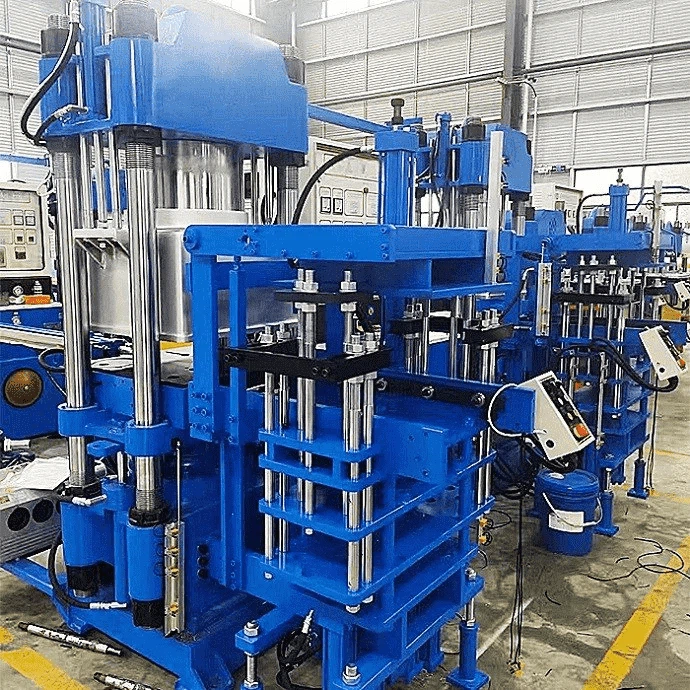
The waste tyre recycling industry is an essential component of the global effort to manage waste sustainably and reduce environmental impact. Waste tyres, if not properly handled, can cause significant environmental problems, including air and water pollution. Recycling these tyres not only mitigates these issues but also creates valuable products and resources.
Key Equipment in Waste Tyre Recycling
Tyre Shredders
Description: Tyre shredders are the first step in the recycling process. They cut whole tyres into smaller, more manageable pieces.
Function: The primary function is to reduce the size of the tyres, making them easier to handle and process in subsequent stages.
Types: There are various types of tyre shredders, including single-shaft and double-shaft shredders. Single-shaft shredders are generally used for smaller operations, while double-shaft shredders handle larger volumes and tougher materials.
Granulators
Description: Granulators further reduce the size of shredded tyres into granules.
Function: They process the shredded tyres into smaller particles, typically ranging from 1 to 4 mm in size. This step is crucial for separating the rubber from other materials like steel and fiber.
Types: Granulators come in different sizes and capacities, depending on the scale of the recycling operation.
Raspers
Description: Raspers are used to further refine the granulated rubber.
Function: They process the granules to remove any remaining steel wires and to achieve a finer, more uniform particle size.
Types: Industrial rasps are designed to handle high volumes of material, ensuring efficiency and consistency in the output.
Magnetic Separators
Description: These machines use magnets to separate steel wires from rubber granules.
Function: After the shredding and granulating processes, magnetic separators ensure that the steel content is effectively removed, leaving pure rubber granules.
Types: Magnetic separators vary in strength and design, tailored to the specific needs of the recycling process.
Fiber Separators
Description: Fiber separators remove the textile fibers from the rubber granules.
Function: They use air flow and vibration to separate light fibers from heavier rubber particles, ensuring a clean rubber product.
Types: Different designs are available, including cyclone separators and vibratory separators, each suited to specific operational requirements.
Pyrolysis Plants
Description: Pyrolysis plants convert waste tyres into fuel oil, carbon black, and steel.
Function: Through a process of thermal decomposition in the absence of oxygen, pyrolysis plants break down the rubber into reusable resources.
Types: Batch and continuous pyrolysis plants are available, with continuous plants being more suitable for large-scale operations.
Advantages of Waste Tyre Recycling Machines
Environmental Benefits
Pollution Reduction: Recycling tyres reduces the number of waste tyres in landfills and prevents harmful pollutants from entering the environment.
Resource Conservation: It conserves natural resources by recovering valuable materials like steel, rubber, and oil.
Economic Benefits
Cost Savings: Recycling reduces the cost associated with tyre disposal and provides raw materials for new products.
Job Creation: The recycling industry generates employment opportunities in collection, transportation, processing, and marketing of recycled products.

Energy Efficiency
Resource Recovery: Processes like pyrolysis convert waste into energy-rich products, providing an alternative energy source.
Reduced Energy Consumption: Using recycled rubber in manufacturing consumes less energy compared to producing new rubber from raw materials.
Product Versatility
Diverse Applications: Recycled rubber can be used in various applications, from asphalt for road construction to playground surfaces and sports fields.
Applications of Recycled Tyre Materials
Rubber Mulch:
Use: Commonly used in landscaping and playgrounds.
Benefits: Rubber mulch is durable, resistant to weathering, and provides a safe, cushioned surface for children's play areas.
Crumb Rubber:
Use: Used in athletic tracks, artificial turf, and as a raw material for new rubber products.
Benefits: It provides excellent shock absorption and is highly durable.
Asphalt Rubber:
Use: Used in road construction and repair.
Benefits: Asphalt rubber increases the lifespan of roads, reduces maintenance costs, and improves driving comfort and safety.
Pyrolysis Products:
Fuel Oil: Can be used as an industrial fuel or refined further for more applications.
Carbon Black: Used as a reinforcing agent in rubber products and as a pigment in paints and inks.
Steel: Recovered steel can be recycled into new steel products, reducing the need for virgin steel production.
Waste tyre recycling machines are vital tools in the sustainable management of waste tyres. By breaking down tyres into reusable materials, these machines help reduce environmental pollution, conserve resources, and provide economic benefits. The versatility and efficiency of these machines make them indispensable in various industries, promoting a circular economy where waste is transformed into valuable resources. Through continued innovation and investment in recycling technologies, the tyre recycling industry can further enhance its contributions to environmental sustainability and economic development.