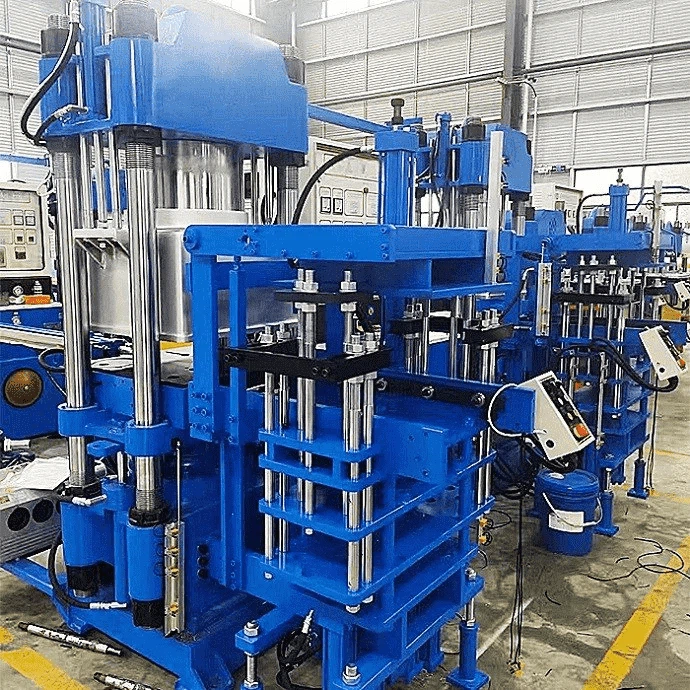
Newly purchased vulcanizers press fail soon? Do you think the quality is not good? In fact, this is not the case, it may be caused by you not taking good care of it! If you want to make the service life of the machine you buy longer, daily maintenance and maintenance are essential. Let the manufacturer explain to you what problems should be paid attention to when maintaining and maintaining the vulcanizer press.
1. The storage environment should be kept dry and well ventilated to avoid dampness of electrical circuits due to humidity
2. It is strictly forbidden to use it outdoors in rainy days to prevent water from entering the electric control box and heating plate
3. If the working environment is humid and watery, it should be raised with items under the machine
4. If water enters the heating plate due to improper operation during use, you should first contact the manufacturer for maintenance.
5. If there is too much water in the emergency repair, open the cover on the heating plate, pour out the water, then set the electric control box to manual operation, heat it to 100 ℃, keep the constant temperature for half an hour, and dry the line , the belt is glued in the manual state. Contact the manufacturer in time for the overall replacement of the line;
6. After each use, the water in the hydraulic plate should be cleaned, especially in winter, if the water cannot be cleaned, it will often lead to premature aging of the rubber of the hydraulic plate and reduce the service life of the hydraulic plate. The correct way to discharge water is after the vulcanization and heat preservation is completed, but before the machine is disassembled. If water is drained after the machine is disassembled, the water in the water pressure plate may not be drained.
7. When the machine does not need to be used for a long time, the heating plate should be heated every half a month (the temperature is set at 100 ℃), and the temperature should be maintained for about half an hour;
To sum up, the vulcanizer press needs to be maintained and maintained during and after use, so as to achieve the purpose of extending the service life.