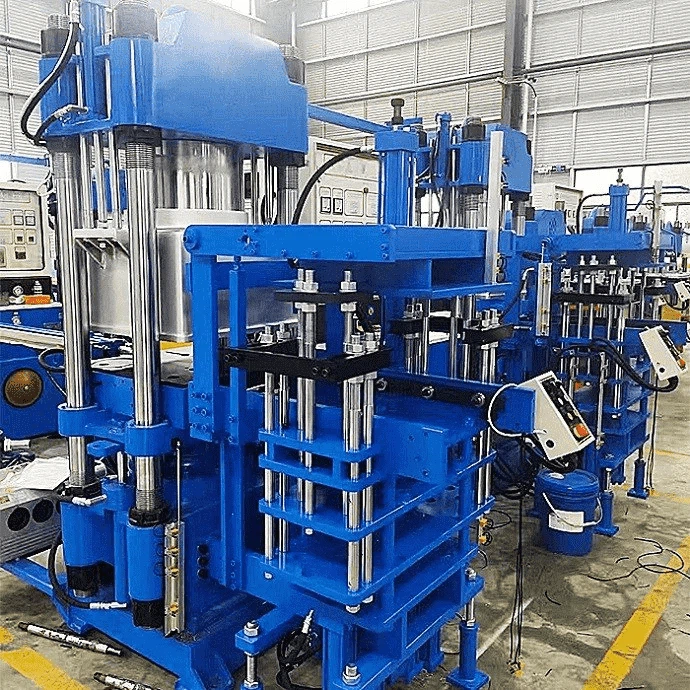
Rubber mixing processes are key steps in producing various rubber products such as tires, seals and gaskets - but waste generation during this stage can be an obstacle for manufacturers. Excess waste not only leads to higher production costs but can have harmful environmental repercussions as well. Therefore, many companies prioritize waste reduction within their rubber mixing processes in order to improve efficiency, reduce costs and adhere to sustainable practices.
1. Understanding Rubber Mixing and Waste Generation
Before embarking on strategies for waste reduction, it is crucial to first gain an understanding of how waste is produced through rubber mixing processes. Primary sources include:
* Material Overruns: When operators fail to measure and add ingredients precisely, excess materials like rubber compounds, additives and chemicals may be wasted through overuse.
* Incomplete Mixing: Improper rubber mixing can result in an unbalanced distribution of additives, leading to inferior-quality products or scrap materials that must be disposed of as waste.
* Extrusion and Finishing Losses: After mixing rubber is created, it is often processed into sheets, strips or other forms for extrusion, cutting, or shaping processes. As part of these processes, any excess material is often cut away as scrap for disposal.
* Curing Losses: The rubber curing or vulcanization process, which gives rubber its final properties, can lead to significant waste if it is not carefully managed, leading to incomplete or over-cured batches and increasing waste and overall efficiency. By targeting key areas within this process manufacturers can significantly decrease waste while improving overall efficiency. [@ @
2. Optimizing Formulation Design
Formulating rubber compounds is one of the main contributors to waste generation during mixing, so ensuring it's designed properly is of critical importance in terms of minimizing its amount. Below are strategies for optimizing formulation design:
Precise Ingredient Measurement One effective way of minimizing waste during rubber mixing processes is ensuring all ingredients are added in proper proportions. Accurate measurement of raw materials such as rubber, fillers, and chemicals helps avoid excessive usage and wasteful wastage; automated systems provide precise ingredient measurements with reduced human error and material waste.
Pre-Dispersed Masterbatches
A masterbatch is a concentrated mixture of rubber and additives designed to make mixing simpler. By opting for pre-dispersed masterbatches instead of adding individual chemicals during mixing, excess materials may be eliminated and material waste reduced through more consistent blends and reduced measurements that lead to wasteful mistakes.
Optimizing Filler Use
Fillers are commonly used in rubber formulations to alter properties like hardness, durability, and flexibility. But using too much filler can cause waste when they aren't distributed evenly throughout the rubber matrix. Manufacturers can optimize filler use by selecting appropriate types and amounts for specific applications to prevent overcompensation that leads to scrap.
Reusing Scrap Materials
Rubber compounds left over from previous production runs may be recycled and reused in later batches, helping manufacturers reduce waste while increasing material efficiency. Recycling recycled material back into mixing can significantly decrease waste while improving material use efficiency - though care must be taken not to alter its properties too significantly and affect final products negatively.
3. Optimizing the Mixing Process
The mixing process itself plays a significant role in determining how much waste is created. Proper mixing ensures that rubber compounds are fully mixed into their finished form, decreasing defects and scrap rates. Here are some strategies for optimizing this aspect of production:
Control of Mixing Time and Temperature Overmixing or undermixing rubber compounds can result in inferior products and excessive waste, so manufacturers need to pay careful attention when regulating mixing time and temperature to ensure rubber compounds are mixed correctly without overworking the material - something automated temperature/time controls in mixing machines make easier.
Temperature control during mixing ensures that the rubber compound reaches the desired consistency without degradation, thus minimizing material waste caused by overprocessing or overheating.
An Efficient Use of Mixing Equipment
Utilizing the appropriate mixing equipment is critical to optimizing the rubber mixing process. Two-roll mills or internal mixers must match up perfectly with both the type of rubber being processed and desired end products to avoid wasteful overuse or underuse of equipment, so selecting an efficient machine for any task will improve both quality and material efficiency.
Utilizing advanced internal mixers with improved mixing capabilities can significantly decrease the time necessary to achieve proper dispersion and increase homogeneity of compound, thus decreasing scrap.
Batch Size Optimization
It is essential to optimize batch sizes when mixing to prevent overproduction and excessive waste. Mixing in smaller, more manageable batches can ensure that only what is necessary for processing occurs, thus reducing scrap accumulation. Furthermore, small-batch mixing provides better quality control measures as each batch meets standards without the need to discard materials.
4. Enhancing Extrusion and Finishing Processes
Once rubber has been mixed, its final steps involve extrusion or finishing operations which may create unnecessary waste. Here are some strategies to minimize waste in these stages of processing:
Minimizing Extrusion Losses
Extrusion processes inevitably waste some rubber material through trimming, overextrusion or defects in the extruded product. Manufacturers can reduce extrusion losses by optimizing die design, extrusion speed and temperature settings - by carefully controlling these parameters the amount of excess material can be reduced and thus significantly minimize extrusion losses.
Improving Cutting and Shaping Techniques
Rubber must be cut or shaped during its final stages to form the finished product, often through automated tools or precise shaping equipment. Utilizing such solutions as automated cutting tools can reduce waste caused by inaccurate cuts while using design software can optimize shapes and sizes to reduce extra material from cutting operations.
Curing Process Optimization
Curing, or vulcanization, is the final step in rubber production and improper curing can lead to unnecessary waste if rubber under-or over-cure and compromise its properties. By monitoring curing time and temperature closely during curing processes manufacturers can ensure their rubber is being adequately vulcanized without creating unnecessary waste.
5. Implement Waste Management and Recycling Systems Simplifying waste in rubber mixing requires creating an effective waste management and recycling system, including:
*Collection and Sorting of Waste: Collecting scrap materials generated during mixing, extrusion and curing stages and sorting or recycling them accordingly.
* Reusing Scrap: Establishing a process to reuse rubber scrap by grinding it back into the mixing process or by recycling scrap rubber into new batches of rubber.
* Tracking and Reporting: Assessing waste materials to track their reduction efforts over time and optimize sustainability efforts. A strong waste management system should make every effort to minimize, reuse or recycle as much waste as possible for more sustainable processes. nettoyage
Conclusion
Reducing waste in the rubber mixing process is critical for improving operational efficiency, lowering production costs and increasing environmental sustainability. By optimizing formulation design, controlling mixing processes, improving extrusion techniques and finishing techniques and employing effective waste management strategies manufacturers can significantly cut their waste while improving product quality; not only are these strategies cost-cutters but they also contribute towards more environmentally friendly manufacturing practices that positively affect bottom lines as well as contributing towards more eco-friendly manufacturing practices.